Before You Plan a Cuba Voyage
By
T. Paajanen 
Before you plan a Cuba voyage, you should do a little research into this
unique country and do some planning so that your travel goes off without a
hitch.
Understand the Country
There is a lot of misunderstanding about Cuba, and you should get to know
some details about how the country operates before you plan a Cuba voyage.
First of all, Cuba is not some isolated country that has no contact with the
rest of the world. Americans often think this is the case because they are
(were) banned from travel to the island. The entire rest of the planet has
been visiting Cuba for years, and there is plenty of communication, trade
and contact with every other nation.
Cuba
is a Communist nation which means that a lot of private enterprise is
discouraged, and it's not a good idea to talk politics at all while you are
out in public. Even so, you will not have problems finding services,
restaurants or accommodations.
Lastly, one unique thing about Cuba is that there are two currencies.
Basically one for tourists and one for locals. It's a little too complicated
to explain in great detail here, but you need to be aware of it. Residents
use national pesos (CUP) and tourists use convertible pesos (CUC). The CUC
have a much higher value and you need to be very aware of what you are
paying for this so you don't use CUC when you really only need to be paying
in CUP.
Arrange Your Transport
You
have two options for getting to Cuba, you can either fly or travel by boat.
Flights are easy enough to manage, and there are regular routes from many
major airports around the world (just not from the USA). Or you can book a
trip on a Caribbean cruise that stops in Cuba. It's a very popular cruise
destination, so you can expect lots of options, especially if you want to
see some of the other local islands too.
Decide What to See
Cuba
may not have huge tourist attractions, but there is plenty to see on your
trip. The main
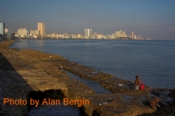
draws for a voyage to Cuba are the beaches. The entire coast is lined with
classic sandy beaches and warm blue water. You can relax on the beach, or
hire a car to take you inland and see the traditional landscapes and culture
of Cuba. There are some fine nature parks, historical forts, cultural
museums and other similar sites around the island to see.
Find Accommodations
Once
you know what you want to see, then you can figure out where you want to
stay. International resorts and hotels are common around the island and are
great places to stay when you want easy beach access.
For
cheaper and more authentically Cuban accommodations, you can choose from all
sorts of hotels and guest houses. Whether you stay in the capital of Havana,
or decide to stop in some of the smaller towns, there is always going to be
somewhere you can rent a room. Known as "casa particulares", there are small
guest houses where people offer rooms for rent in their own homes. It's a
common feature in Cuba and a way to same some money because the costs are
usually quite low.
These are basically all the details you need before you plan your Cuba
voyage. Once you have a travel plan worked out, all that's left is getting
things booked and head out.
Terri has traveled the world and is always looking forward to her next
adventure. She prefers to visit new and exciting places instead of the usual
destinations. You can share her adventure travel suggestions at
Daring Destinations to find your next
holiday. Her next planned holiday is
travel to Cuba.
Article Source:
http://EzineArticles.com/expert/T._Paajanen/1357632