Grenada may be a small
island but it has many attractions to delight every visitor. Have a look on
this page at some of the other attractions in Grenada.
Gouyave_Fish_Friday
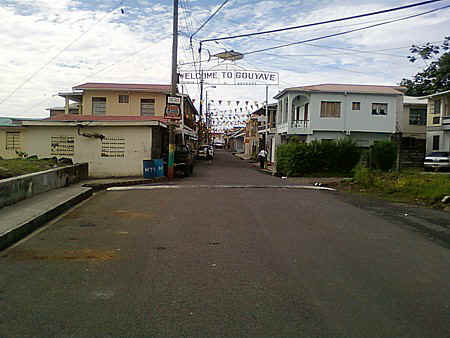
Gouyave is a small fishing village in the northwest of Grenada with an
interesting history. Gouyave was originally called Charlotte Town after the English Queen
Charlotte, however during a period of French control of Grenada the name was changed to
Gouyave after the numerous guava trees that grew in the area. The most notable event in
Gouyave's past occurred on Saturday 2nd March 1795 , when Julien
Fedon, a free coloured planter who owned a large estate in Belvidere, St. Johns led a
revolt against the British in what is called the Fedons Rebellion. In the present time,
Gouyave can be considered the fishing capital of Grenada as more fish are caught by
Gouyave fishermen than by any other group on the island. It is that abundance of fish that
is now giving Gouyave prominence and led to the creation of Gouyave Fish Friday.
As the name says, this event takes place on Fridays, usually beginning around
6pm and lasting late into the night up to about 1am. Attending the Gouyave Fish Friday is
definitely one of the things to do when in Grenada. Every Friday night, two streets are
blocked off, St Francis Street and Chapel Lane and vendors line the streets with their
grills, fryers, steamers and cookers. From there on it is fish galore; fried fish, grilled
fish, BBQ fish, fish balls, fish loaf, fish cakes (accra), fish pies, fish quiche, fish
pizza, fish pockets, fish casseroles, fish poached in garlic, fish kebabs. Fish however is
not the only seafood delight that is served; there is lobster when it is in season, shrimp
and lambie (conch). Complimenting all the seafood dishes are other dishes that are equally
delicious such as fried coo coo or fried breadfruit, roast bakes or fry bakes.
The Gouyave Fish Friday is not an event that was created for solely for tourists but
was a natural development of a local Friday evening activity. Now both locals and tourists
frequent this Friday night attraction. The entire activity is relatively safe and although
two policemen are usually at the end of the street it feels like they are really not
needed as everyone walks and mingles seeking to enjoy themselves. One tip about attending
this event is do not buy a large meal at one stall rather do as the locals, buy small
portions and in that way you get to sample every dish that catches your fancy. There are
tables placed along the street so that you can sit and enjoy your meal, however the
streets are narrow and uneven, and they fill up as the night progresses so there is not
always seating for all. Even without seating going to this local attraction is an
enjoyable activity as the people are friendly, the drinks and food are easily available
and the music is the infectious Caribbean rhythms.
The village of Pearls is the location of the former airport for Grenada
and lies outside the town of Grenville on the east coast of Grenada. The
Pearl's airport was built in the 1940's however as the aviation industry
developed it was found to be incapable of keeping up with the advances in
aeronautics and with demands of Grenada's development. Part of the problem
at Pearls airport was that night landings were forbidden because of the high
hills immediately to the north, south and west of the airport. In the end
the Pearl's airport was closed when a new airport was opened in 1984 in the
south of the island at Point Salines. Prior to its closing however the
Pearls airport had one last hurrah as it was the landing site for the US
invasion of Grenada in 1983. Pearls also has another place in Grenada's
history as it is a historic Amerindian site with Kalinago artifacts.
The former runway still exists and the area is beautiful. To the west of the
runway lies the mountains that are clothed in green and at times the cloud
cover comes in low and touches the tops of the mountains giving you a scene
of green topped with white and spots of red, yellow and blue. At the eastern
end of the runway is a spectacular beach facing onto the Atlantic ocean
while along the grassy sides of the runway cows are tethered. It is a
picturesque pastoral scene with remnants of the past.
On the northern side of the runway is a marshy area and then a mangrove
swamp. This combination of beach, marsh, swamp and grassy flat area is what
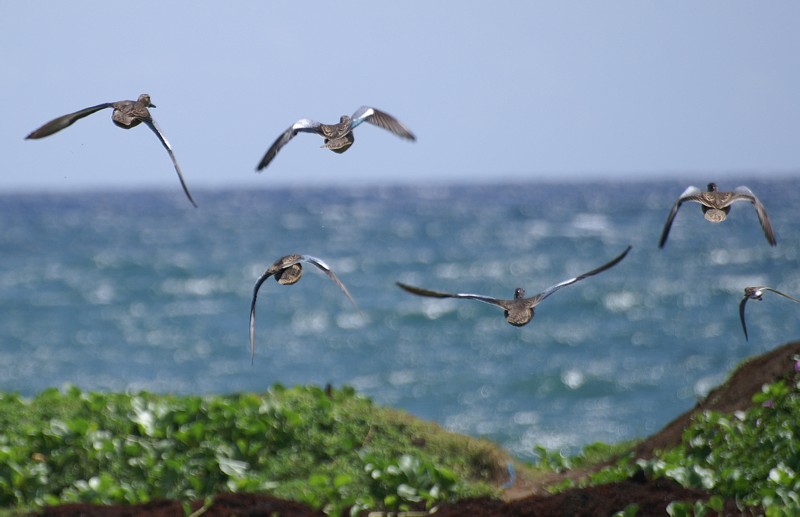
makes Pearls good for birdwatching. Grenada has recorded approximately 150
species of birds being found on the island with 70 percent of these birds
being neotropical migrants especially water birds and seabirds. With the
combination of different types of watery areas in such close proximity
Pearls attracts different species of these migrants.
While the more popular bird watching sites in Grenada are La Sagesse, Levera
National Park and Lake Antoine National Park, the area at the seaside end of
the Pearls runway is a good area for a quick view of different species.
Without a doubt, the main reason tourists go to Grenada is to enjoy the
island's gorgeous Caribbean beaches. But this should not mean that you
cannot engage in other activities after soaking up several hours on the
island's beautiful coast. One ideal place that can offer you a bit of a
break from the sun, sand and bikinis is Grand Etang National Park and Forest
Reserve. Set in the high mountains of St. Andrews, Grenada, about 1,900 feet
above sea level, Grand Etang is the perfect respite for fans of Mother
Nature's works.
Covering a large part of central Grenada Island, the park treats its
visitors to a lake, multiple waterfalls and myriads of walking trails for
hiking enthusiasts! As you may have guessed it, this national park is rich
with varied floras such as giant gommier trees, ferns, tropical flowers and
mahogany. There are also a number of indigenous plants found here.
A
visit to Grand Entang National Park also gives you the chance to enjoy some
excellent wildlife-viewing. Opossums, lizards, mongoose, armadillos and Mona
monkeys are just some of the frequently sighted wildlife in the park. The
range of bird species living at Grand Etang's rainforest region is also
particularly impressive. Some of the fascinating creatures to look for
include broad winged hawk (gree-gree), Antillean crested hummingbird (Doctor
Bird), purple throated carib and Lesser Antillean tanager (soursop).
Seasoned hikers are most likely familiar with Grand Etang being the most
popular area for hiking and trekking in Grenada. This popularity is due to
the park's various terrains that sustain many different kinds of ecological
subsystems. There is a wide range of hiking trails at Grand Etang depending
on the distance and degree of difficulty. Some of them are 15-minute easy
paths that hiking novices would definitely enjoy. But if it's a real
trekking challenge that you are looking for, the park also has rigorous
trails that take several hours to complete!
One
type of terrain that has become a favorite among seasoned hikers is the
elfin woodlands found on the slope of the park's central mountains. Another
notable hiking destination is the Grand Etang Lake, which has mesmerized
visitors with its beauty and tranquil atmosphere. And if you make an effort
to go up Mount Qua Qua, you will be rewarded with gorgeous views of the
national park and forest reserve.
One
of the most picturesque waterfalls in the park is called Seven Sisters
Falls. The only way to get here is by hiking. Fortunately Seven Sisters is
only about 1.25 miles north of the Visitors Center. Despite the trail to the
waterfall being described as scenic - it is not exactly a 'walk in the park'
(pun intended). The path is relatively challenging so make sure you are
physically ready to take on such challenge. Wearing sturdy hiking shoes is a
must too!
The
Grand Etang Visitor Center provides maps or written guides for the various
trails in the park. You can also opt to hire an experienced and
knowledgeable guide to make your hiking more meaningful. The center is open
from Monday through Friday, from 8:30 a.m. to 4 p.m. If there are cruise
ships scheduled to dock at Grenada during the weekend, the center will be
open. You will need to pay a minimal fee of not more than $3 to get hiking
permission.
St. George is the
proud capital of the beautiful Caribbean island of Grenada. It is often
described as one of the prettiest harbor towns in the region. It offers lots
of charm and enough attractions to convince you to explore it for a couple
of days before heading out to the island's remote seaside villages and
rainforests.
Among the main
attractions near town is the gorgeous Granda Anse Beach, where most visitors
to the island flock to experience a coveted Caribbean beach vacation. But if
you want to take a break from the turquoise water of the coast, tour around
St. George on foot, and your knowledge of the history and cultural ways of
the island will surely be pleasantly increased.
The island of
Grenada has garnered a reputation for being the "Spice Island". In this
paradise the aroma of cocoa, vanilla, cloves, cinnamon and nutmeg dominates
the air. And if you want to see these spices up close in an incredible
atmosphere, then the place to visit in St. George is Market Square.
Situated at Young
Street, Market Square is the commercial center of the capital and the island
itself. It is quite ironic to know that this is same public square that was
used for trading slaves and public executions back in time. These days,
farmers and spice vendors from all over Grenada freely come to the square to
sell their beloved produce to the delight of the locals and tourists.
When visiting
Grenada, take the opportunity to examine the various spices and herbs that
made the island famous. There are also many other items that may catch your
eye so a visit makes for a fun experience! For instance, it is in Market
Square where you will encounter colorful tropical fruits and vegetables that
are hard to find elsewhere. This is also an ideal place to find handmade
crafts and souvenirs items.
The colors are
just bursting at Market Square; and the atmosphere here is generally
vibrant. Business is as usual at this open-air commercial complex during the
weekdays, but it is on Saturdays when the ambiance becomes even more
bustling. On this day, there are more rickety tables laden with fresh
produce and spices; more vendors setting up and more people coming in! If
you decide to come to the market on a Saturday, get ready for the noisy
crowd. You will most likely discover strange things sold here other than the
usual spices and produce. And all day long, vendors will readily shout and
stretch out their arms to offer their products to anyone who passes by!
If you get hungry
while walking around, popular local snacks are just waiting to be had! Try
out sugar apples, french cashews and those small fat bananas. You will soon
discover that some things are definitely not what they are called, for
example Golden apples, which are not apples and not even golden.
Unfortunately, Market Square can also be quite troublesome or even hazardous
for wheelchairs or walkers. The ground is uneven and so you need to be extra
careful and watch your step.
Market Square is
certainly not the relaxing and tranquil Caribbean spot you may have
envisioned. However, coming here and absorbing all the sights, sounds and
smells, is the ultimate cultural experience. Don't forget to bring your
camera to snap some memorable scenes, but remember to be polite and ask
permission if you want to photograph locals. Both small US dollar and local
currency ($EC) are accepted at Market Square.
Grenada is known
as the Spice Island for a reason. The scent of nutmeg, vanilla, and cinnamon
fill the air and blossoming flowers such as hibiscus, bougainvillea, and
frangipani release their perfume onto the breeze. So to find an attraction
like Belmont Estate on the island makes perfect sense.
Belmont Estate is
an authentic plantation dating back to the 17th century that is still fully
functional. Tours are available of the organic farm, the gardens, the cocoa
processing plant, and the heritage museum. Guests are encouraged to not just
observe, but to join in and participate in the plantation's day-to-day
operations.
Dating back to
the 1600, the plantation was originally owned by the Bernago family of
France. It passed through many hands through the years before being
purchased by Norbert and Lyris Nyack in 1944. The couple, from Hermitage St.
Patrick, was the first Grenadians of East Indian decent to own a plantation,
and the Belmont Estate was their second out of an eventual six estates that
they owned. While the Nyack's had no children of their own, they raised
several nieces and nephews as their own and the plantation is still in the
Nyack family.
Belmont Estate
offers a 250-seat restaurant, which is available for events such as wedding
receptions and family reunions. In addition to touring the organic farm and
flower gardens, you can visit the café, gift shop, craft co-op, petting zoo,
and goat dairy. But what the plantation is probably most famous for is its
variety of unique spices. The farm grows nutmeg, cinnamon, cloves, ginger,
turmeric, bay leaves, pimento, and mace. Cocoa is the biggest agricultural
product of the estate, and visitors to Belmont enjoy seeing the plants in
the fields and following their path from raw cocoa beans to delicious
chocolate. Working in cooperation with the Grenada
Chocolate Company and the Grenada Cocoa Association, Belmont Estate has
become an important figure in the production of fine chocolate and chocolate
products. Be sure to sample the plantation's famous "cocoa tea," which is
the local term for their style of hot chocolate. The experience is one of
both flavor and fragrance.
Laurie Harley
writes for Boat Caribbean yacht charter consultants, specialists in sailing
and motor yacht charters in the Caribbean. To learn more about this topic
and others, visit
http://www.boatcaribbean.com.
The
Parish of Saint Patrick is one of Grenada's really beautiful parishes. Like
the quintessential Caribbean destination, the town's coastline is
magnificently adorned with fine bays. Aside from being the island's most
northerly Parish, Saint Patrick is also close to volcanic cones and craters,
giving it a remarkable landscape. Some of the popular volcanic formations
include Lake Antoine and Punchbowl. St. Patrick Parish is also home to most
of the island's cocoa and nutmeg production.
Sauteurs is the biggest town and the capital of the parish. Just north of
this town lies the historic Leapers Hill or Carib's Leap. This is the steep
cliff where 40 Carib Indians leaped into the sea to kill themselves rather
than face a life being conquered by the French colonizers in 1651. The act
was truly valiant and tragic at the same time and is remembered even after
the passing of centuries. These days, visiting Leaper Hill also gives you
the chance to see a model Kalinago/Carib village. There is also an
interpretation center that allows you to view artifacts and purchase
indigenous crafts and local snacks.
For
a refreshing swim, Grenada's gorgeous coastline is definitely the place to
be! But if you want to indulge in a therapeutic bath that soothes your body
aches and calms your mind, then head out the sulfur springs of Saint
Patrick. There are more than 5 natural sulfur springs to choose from,
specifically located at River Sallee. One great thing about this place is
that you can come here any time as it is open 24 hours a day, 7 days a week.
There is even a bar set up here to sell refreshments, just in case you get
hungry after soaking in the lovely warm water for hours!
One
attraction that offers tourists not only a valuable piece of Grenada's
history but is also a genuinely a wonderful experience is the River Antoine
Rum Distillery. Rum has been known to be the alcohol of choice in the
Caribbean; and this private distillery's rum making tradition goes all the
way back to the 1800s. Thus, it is not surprising that it is one of the
oldest functioning distilleries in the entire Caribbean.
One
of the bargains here is a guided tour around this distillery, especially
because it costs only EC$5 (about $2 US$). The tour gives you a
comprehensive look at the rum-making process, which starts from the
harvesting of the sugar cane. You will also get to know the fermentation
process as well witness how workers bottle the finished product. At the end
of this fascinating tour, you will also be treated to a free sample.
But
take note that the rum produced at River Antoine Rum Distillery is unlike
the rum products you usually see in supermarkets and duty-free shops. River
Antoine's rum is distinctively much stronger. To give you an idea, the rum
here is produced in strengths of 120 to 150 proof. Fortunately, the
distillery also makes less potent versions for visitors to purchase and take
home when then leave.
River Antoine Rum Distillery lies close to Lake Antoine, on the northeast
coast of Grenada Island. It is just around an hour's drive from St. George.
Tours are available Monday through Friday from 8 a.m. to 4 p.m. The tour is
well worth the visit.