There are two things one immediately notices about the churches in the predominantly
Roman Catholic island of St Lucia, they are large and they are always open. These churches
stand out, they make a statement; I am here for you.
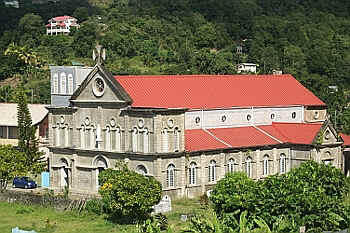
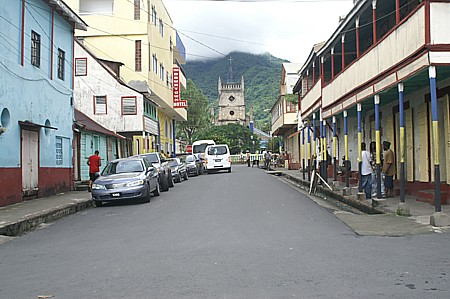
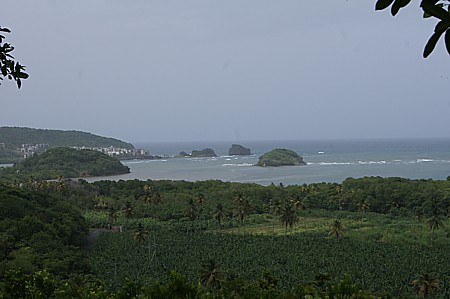
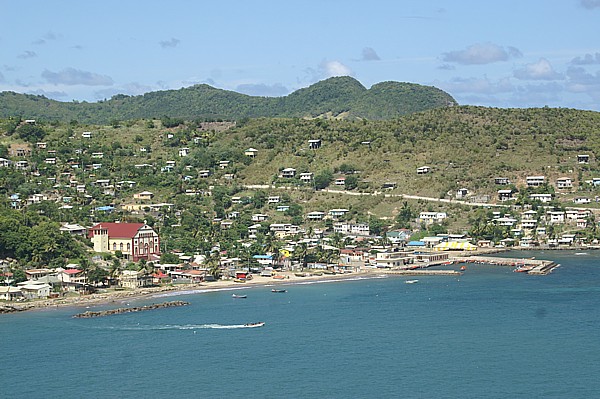
St Peter's Roman Catholic Church dominates the village of Dennery on the east coast
of St Lucia. This small fishing village extends back from a deep protected bay with the
uninhabited Dennery island seeming to guard the entrance to the bay. The entire village
seems as if to flow outward from the church. The commercial life of the village revolves
around fishing and St. Peter is the patron saint of fishermen. The church, which was built
in the late 18th century, towers above the town. Located on the aptly named Church Street
on a slight rise facing the sea, the church is surrounded by the small houses and shops of
the village with its narrow one lane streets pressed against the sea. The white and rust
coloured church is the most imposing structure for miles around.
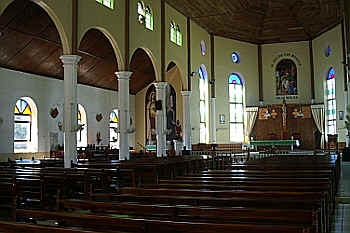
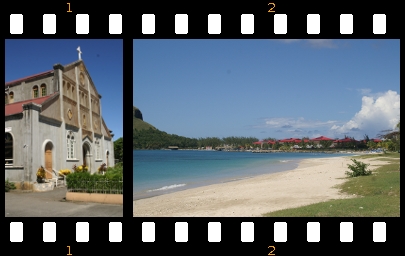
The St
Joseph Roman Catholic Church in Gros Islet is also on the aptly named Church Street in
the sleepy village of Gros Islet which comes alive every Friday night for its weekly
street party. Construction of the church at Gros Islet was started in 1850 and completed
in 1876. Unfortunately in 1906, an earthquake completely destroyed the building and in
1927, the present church was built on the site of the old church. When you enter the
church your eyes are drawn to the high vaulted ceiling and as you focus you realise that
the ceiling is composed of thin strips of wood that somehow look like the underside of a
ship. The dark wooden pews and light streaming through the coloured panes of the windows
give the interior of this church an extremely peaceful feel.
The Catholic Church at Anse La Raye with its imposing front, large statue of
Jesus on the Cross at the front entrance, and statue of Mary over the entrance, also
dominates the village of Anse La Raye. Located on a bend of the road that runs along the
sea front, this church started as a wooden structure in 1762. The structure was destroyed
in a hurricane in 1780 and after being rebuilt was destroyed by fire. In 1907 construction
of the present church started with the villagers donating their labour and providing the
stone used. The interior of the church with its wooden pillars, dark wood ceiling and
mural on its center wall exudes a sense of calm. The beautiful stone altar was imported
from France and its white stone contrasts wonderfully with the dark wood. The outside of
the church boundary wall has a mural some 150ft long depicting scenes from village life
which was donated and painted by the St Omer family.
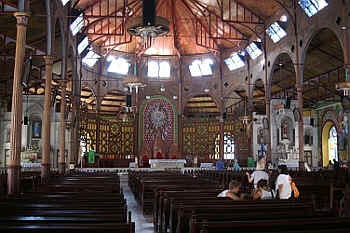
The most magnificent of St Lucia's churches is however the Cathedral of the
Immaculate Conception opposite the Derek Walcott Square in the capital Castries. As you
walk through the huge wooden doors, the dark wood pews and the overall atmosphere exudes
an air of tranquility. The magnificence of the overall space causes your eyes to be drawn
in various directions, from the paintings on the walls of the black saints done by a local
artist to the stained glass windows to the huge altar area where numerous prayer candles
are constantly lit. Flanking the altar and in the wings are various statues of Jesus, Mary
and the saints. As you walk through the Cathedral you notice the steel pillars with the
arches forming the frame of the building. Eventually your eyes are drawn to the high
vaulted ceiling which is composed of thin strips of wood and you realise that the entire
ceiling is a giant mural. Constructed in 1827, the Cathedral in Castries is open everyday
with people visiting to look or pray.
St Lucia's Pigeon Island is described as a national landmark and it is indeed a
treasure. Here in one space is history, relaxation, entertainment and outdoor activity.
Nowadays when one looks at Pigeon Island it can be puzzling as to why it is called Pigeon
Island because it does not appear to be an island. To understand the reason for the name
one must first know the history and it is that history that is part of the attraction of
Pigeon Island in St Lucia.
Pigeon Island was a 44 acre island with two hill tops that was occupied by the original
Amerindian inhabitants of St Lucia. In the 1600's a French pirate called Jambe de Bois
(Wooden Leg) forged an alliance with the Amerindians and used the island as his base. In
1778 however the British admiral George Rodney took over the island for use as a naval
base. He was particularly attracted by the fact that from these peaks he could spy on the
French on the neighboring island of Martinique. It was not until the 1970's that Pigeon
Island was joined to the mainland of the Gros Islet quarter through the construction of a
causeway.
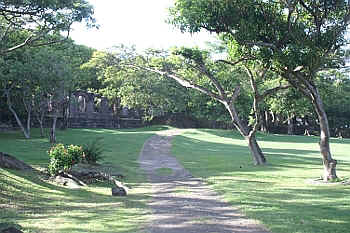
Today Pigeon Island is a Park maintained by the St Lucia National Trust. Near the entrance
to the park is an Intreptretation Centre that explains the history and significance of the
overall site. Throughout are remnants of the naval base from the 1700's that was used by
the British and the French. There are trails throughout the grounds that lead to the
historical sites. Small reading plates explain the significance of each historical site.
The hike up to Fort Rodney and Signal Peak are a must for all visitors. The
trail to Fort Rodney is a steady uphill walk along a well worn path with the last leg
being paved with concrete and stone plus having a hand rail. Apart from the remnants of
the Fort, the hike rewards you with a magnificent view of Rodney Bay and Gros Islet. The
hike up Signal Peak is more difficult but the reward is a lovely view of Martinique.
While history may be the first reason for going to Pigeon Island, the overall ambiance
of the park is certainly another good reason to visit. The grounds are well endowed with
lofty trees, and manicured lawns plus picnic areas and even an area reserved for weddings.
The beauty of Pigeon Island is one of the reasons why the annual St Lucia Jazz Festival is
held at this location. There are two beautiful sandy beaches with the calm crystal clear
water for which St Lucia is famous. Snorkeling equipment and kayaks are available for
rental. Within the Park, on the edge of the sea is a small restaurant that takes its
name from the 17th century French pirate Jambe de Bois.
The Pigeon Island National Landmark is open daily from 9:00 a.m. to 5:00 p.m. and there is
a small admission fee.
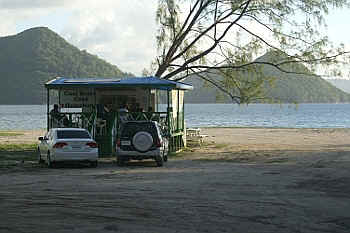
If after visiting Pigeon Island you are still looking for an area to enjoy, just outside
the entrance to the park is a wide sandy beach area with whispering pines and a small
beach bar tucked inside the pines. Sitting on the verandah of the bar or on the picnic
benches outside you can while away the afternoon and watch the sunset over the bay.
Thanks to the French and British, St Lucia offers some very interesting
history. It also has some mystifying natural features and, as a visitor, you
can't fail to be awed by the beauty of nature's creations here. As a result
of decades of warfare, the island is left with many interesting ruins, and
some of these are a must see on any history and nature discovery tour. In
addition to all these incredible attractions, the island has plenty of
options if you're looking for a luxury hotel; St. Lucia has some of the best
in the Caribbean.
Morne Fortune
Locally known as The Morne, this was one of the most important battlegrounds
when the British and the French fought for possession of the island. You can
see the intriguing remains of Fort Charlotte at the top of The Morne. Fort
Charlotte was started during the reign of the French and its construction
continued after the British took over the island. The buildings from the
fort have been restored to house a community college today.
Pigeon Island National Park
Another important part of local history, Pigeon Island was fortified by
British Admiral George Rodney and was used to overlook the French fleet at
Martinique, a neighbouring island. You can visit Fort Rodney at the high
point of the island, and it is a remarkably well-preserved fortress. You can
also see ruins of barracks, magazines and a signal station that were all
used by the Americans during World War II.
The
Pitons
With
natural features every bit as beautiful as your modern day luxury hotel, St.
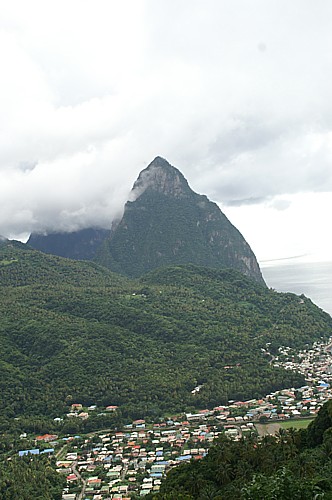
Lucia is home to some truly iconic attractions. The Pitons certainly fit in
to this category. Petit and Gros Piton are the remains of two volcanic domes
that were formed thousands of years ago in two entirely different locations
along the coast - Gros Piton in Choiseul and Petit Piton in Soufrière. When
you descend into the town of Soufrière, you will get the most breath-taking
view of these peaks as they thrust out from the sea, giving them a unique
character. Truly a sight to behold and one that remains in your mind long
after you return to your luxury hotel. St Lucia's natural features are
renowned throughout the world and the Pitons are amongst the most iconic
landmarks of the Caribbean.
The
Sulphur Springs
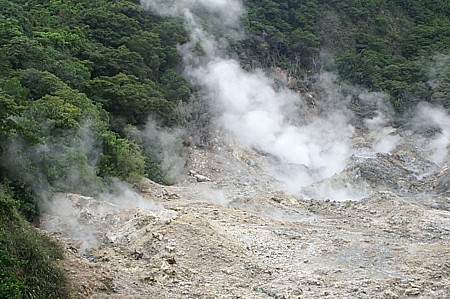
Another natural wonder of the island, this large area of hot springs and
steam vents is actually a part of a caldera type volcano, located in the
Soufrière area. With the help of a guided tour you can have direct access to
a field filled with these boiling pools and steaming vents. There are also
several hot mineral springs where you can take a healthy, therapeutic
sulphur bath. This is best done in the early hours of the morning, as the
water is fairly cool at this time. It is important to note that the Sulphur
Springs give out large amounts of gases, which can be harmful, so you should
exercise caution when you visit.
After spending long days touring this magnificent island, you will be happy
to unwind in your luxury hotel. St Lucia is has a number of extravagant
accommodation choices that will spoil you and give you the perfect holiday
you hoped for.
Ross
Stevenson is the General Manager of Cap Maison, the foremost luxury hotel on
St Lucia. If you're looking for a luxury hotel, St Lucia
is an ideal destination for wedding and honeymoon options for couples who
want to enjoy a blissful Caribbean experience.
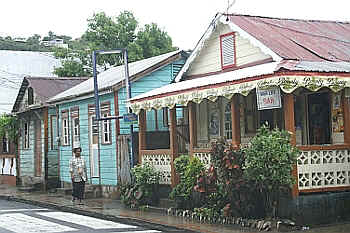
Anse La Raye is a village on the west coast of St Lucia, just south of Castries, whose
name means Bay of the Rays. It is a small village that hugs the bay and is bisected by the
road that runs from Castries to Soufriere. It is a village of narrow streets with the
typical small wooden St Lucian houses that sit closely side by side with each other and
dominated by the large Catholic Church. Here fishing is
the primary means of income and the colorful small fishing boats bob gaily in the bay.
Every Friday night, the village of Anse La Raye comes alive with its Fish Feast.
Although called a Fish Feast or Fish Fry, this lively Friday night lime is a true sea food
fiesta with fish, lobster, soft shelled crabs, shrimp, squid, conch and other sea food on
sale. The activity takes place on Front Street that runs alongside the bay and wraps
around to the church. Here vendors set up their grills and cook. Tables and benches are
laid out along the side of the street, allowing you to wander past and inhale the aroma of
freshly cooked seafood while talking to the cooks and making your choice for dinner, then
easily having a seat to enjoy your purchase. Scattered among the cooks are small booths
selling alcohol and other drinks, while others set up tables offering souvenirs. From one
end of the street, the music from the DJ booms with a mixture of soca, calypso, zouk,
country and western, rhythm and blues and reggae while patrons dance and enjoy the night.
In a most unobtrusive manner the St Lucian police stroll through the festivities ensuring
that only merriment occurs during the night.
This is a true village activity with the residents sitting in small groups and chatting to
each other. In between the children run and play and laugh. On the side streets nearby,
bars are open so anytime you want to slip away from the heart of the action but still
remain in the vicinity to enjoy the beauty of the St Lucian night and the ambiance of the
village life, it is easy to do so. St Lucia is a staunchly Catholic country so during
Lent, the Anse La Raye Fish Fry does not take place.
Founded by the French in the mid-18th century, Soufriere was the former
colonial capital of the island nation of St. Lucia. Today, the town still
proudly stands and is the oldest of all communities in St. Lucia.
A
number of tourists visiting, Soufriere are passengers of cruise ships that
usually dock at Soufriere Bat. As a result, the wharf is the most bustling
commercial area in town. This is the place to go if you want to dine, drink
and soak in a more festive atmosphere. The rest of Soufriere adopted a more
laidback and sleepy vibe like other coastal towns.
By
walking around Soufriere, you will immediately notice its French colonial
influences especially in its architecture. Many houses have signature
verandahs on the second floor. At the market square, you will see charming
wooden buildings that reflect the town's history. Take a peek inside the
market building and you will be impressed by its colorful attractive murals.
One
major reason people make their way to Soufriere is because of its
surrounding natural landmarks like hills, gardens and waterfalls. Thus, the
town has become very popular jumping point for a number of sightseeing
trips. One particularly outstanding attraction is Sulfur Springs, which is
renowned for its accessibility. Visitors can drive all the way to an old
volcano crater area and marvel at the hot springs that releases sulfur gas,
and resemble the surface of the moon.
While in Soufriere, consider arranging excursions to other notable
attractions like the beautiful Diamond Botanical Gardens and the Morne
Cabouril Estate. This estate has the town's only working sugar plantation,
which was originally established in the 19th century. Fortunately, the
estate management offers its guests walking tours around the plantation, the
sugar mill and the mansion.
Of
course it is not a visit to a Caribbean town without spending some time on a
gorgeous beach. In the Soufriere region, Anse Chastanet is one of the more
popular sandy stretches to visit. The beach is situated at the northern
outskirts of the town, along a hilly coastal road. You can easily reach it
by foot as it is only about one mile from town.
Anse
Chastanet is best described as a very curvy beach area, which exudes a
serene atmosphere. It is always open to the public, but visitors who would
like to stay close to it can opt to book a room at the hotel on the beach.
Anse Mamin is another lovely sandy beach just to the South of Soufriere,
along the Vieux Fort Road. Aside from its nice light-sand hue, this beach
also offers snorkeling opportunities. From Mamin, you can actually walk to
the Sugar Beach, known for its imported sand.
Soufriere is also a favorite gateway to the Pitons - St. Lucia's iconic
landmarks that nature lovers and adventurers will quickly fall in love with.
These mountainous geological formations will simply astound you.
Fortunately, some of them can be climbed; so if you're interested, arrange a
guided trip to the Pitons with a local outfitter in town. On one of the
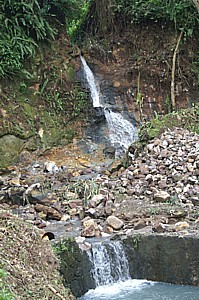
trailheads of the Pitons, you will encounter the wonderful Pitons waterfall,
considered quite unique as volcanic waters flow from it.
The name Soufriere resonates throughout the Caribbean and indicates the
strong influence that France had on many of these Caribbean islands during
the 17th and 18th century as many at one time or another were French
colonies or populated by French speaking inhabitants. Drawn from the French
word for sulphur, “soufre”, the name instantly signifies an area with a high
sulphur content and usually connotes an area with volcanic activity. Thus
on the French island of Guadeloupe we have the dormant volcano of the
Soufriere Hills rising to 1,468 m (4,813 ft). There is an active
volcanic peak on the island of St Vincent called Soufrière that rises to a
height of 1,234 m (4,006 ft). There are also the Soufriere Hills
volcano on the island of Montserrat which is the highest point on the island
at 915 m (3002 ft) and erupted 1997, causing the effective destruction of
the capital, Plymouth, and requiring the partial evacuation of the island.
One can also find a village called Soufriere on the southwest coast of
Dominica. Not to be outdone, the island of St Lucia also has a town
called Soufriere with an attendant tourist attraction.
The tourist attraction is a volcano that is approximately 3 kilometers
from the town and gave the town its name. St Lucia's Soufriere however is
different from all the others as this is a "drive-in volcano", some say the
only one of its kind in the world. St Lucia's Soufriere is the remnant of a
three hundred thousand year old volcano and what is visible today is the
collapsed volcanic crater. Classified as a dormant volcano because the last
recorded eruption was in 1766 you can still see the tremendous forces at
work under the crust of the earth.
The main attraction at Soufriere are the Sulphur Springs which is an
impressive collection of boiling springs and fumeroles. These Springs
are the result of a weak spot in the earth's crust as there is a a magma
chamber approximately 2 km beneath the area’s surface. This magma chamber
is responsible for heating the rocks above it, which in turn heats a
combination of rainwater that seeps into the ground and seawater from the
Caribbean Sea that has seeped into the substratum, giving rise to boiling
springs with temperatures between 70 – 90oc and fumaroles with temperatures
of up to 172oc. The water located at the center of the springs boils at
roughly 340 Fahrenheit (170 Celsius) creating large plumes of steam.
While 170 degrees Celsius is certainly too hot to enter a few hundred
yards downstream the water has cooled sufficiently to around 110 Fahrenheit
or 45 Celsius and here people give themselves a mud bath at the park’s Black
Water Pool and the Pool of Love. The water has a high content of
sulfur and iron plus copper, iron oxide, alkaline lead, calcium oxide, and
carbon. There is the belief that these waters have medicinal properties and
some would have you believe that the mud batch makes you look 10 years
younger.
As to why it is called a drive-in volcano that is because you can
literally drive into the crater of the volcano.
Gros Islet in St Lucia is famous for its Friday night where streets in this little
seaside village are closed and barbecue pits, roadside drinks vendors and music take over
the streets. Tourists and locals attend this weekly Friday night jump up that goes on
until the early morning hours. Gros Islet however has a very well kept secret; the main
street activity is not the only place for a good time on Friday night in Gros Islet.
Gros Islet with its beautiful
church, magnificent beach and small inns is a tourism hot spot but Gros Islet is also
a fishing village. There is a fishing depot with moorings for boats, fuel dispensers,
stalls for cleaning and selling fish and it is at this fishing depot that Gros Islet's
well kept secret can be discovered. Every Friday night delicious fish is slow grilled on
beds of charcoal and served with heaping quantities of white rice. Using half drums filled
with hot charcoal, freshly caught local fish is placed between wire mesh and grilled until
golden brown. When it is in season there is also lobster and conch.
Having a Friday night meal at this fishing depot is a delightful experience. Around the
grilling area are picnic tables and benches where you can sit in comfort and savor the
taste of the freshly grilled fish. As with all St Lucian night time activities if you want
a drink it is easily available right next to the grilling area. The location is perfect
for a night of relaxation, with a gentle breeze wafting across the compound and the
channel with boats moored plus moving through the channel it is a tropical paradise. As
the moon and stars light the grounds you are filled with the ambiance of the location
while calypso and French based music fills the air and the lilting sounds of French patois
is heard.
If later that night you want to join the more frenetic pace of the Friday night jump up,
it is a only a short walk of three blocks.
Cassava is extensively cultivated throughout the
Caribbean and South America (where it is called yuca or manioc) for its
edible root which has become a staple of the diet of many persons. In
addition to being eaten in its boiled form, cassava is also used as "fries"
instead of potato and used to make the dessert known as cassava pone. The
original Amerindian inhabitants of these islands grew cassava and boiled the
root as food but also grated and dried the root to create what is known as
farine that in turn is used to create a cassava bread. Today farine and
cassava bread are still made although in many islands it is rare as the
older inhabitants have died and the younger generation seem not willing to
undertake the work involved in its preparation.
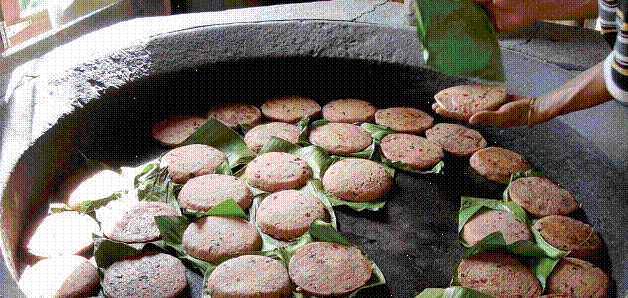
While it may be more difficult to get some cassava products, in St Lucia
there is one place that is dedicated to "all things cassava" and is known as
Plas Kassav. This location has developed into a tourist attraction and is
the largest purchaser of cassava from local farmers in St Lucia. Plas Kassav
(Creole for Cassava Place) is a family run business that is located in Anse
La Verdure on the west coast, between the villages of Anse La Raye and
Canaries. The business is housed in a neat wooden structure that sits just
at the side of the main road (so impossible to miss). The building is both a
cafe and a factory. You can purchase a variety of cassava breads flavored
with coconut, cherry and raisin, apple and raisin, cinnamon, banana,
chocolate, ginger, peanut, pineapple and apricot. You can also have the
cassava as a sandwich with saltfish or smoked herring. In addition to
cassava products you can also find other food, drink and condiments made by
members of the wider community including dried bananas, honey, pepper sauces
and cassava flour.After tasting the delicious range of baked cassava
products if you want to see how they are made you can take the free guided
tour in the factory to see the traditional methods used and the big coppers
and ovens.
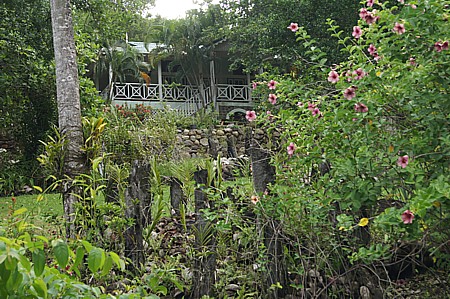
Mamiku Gardens on the outskirts of the village of Micoud is an interesting
mixture of nature and history. Even the name of the place reflects the
influence of history and culture. The grounds on which the Gardens are
located was formerly an estate owned by Le Baron De Micoud and his wife
Marion Deveaux during the period 1766 to 1818. Apparently Mrs Micoud was
loved by the persons in the area and they affectionately referred to her in
the French Creole patois as Ma Miku, which has now given rise to the name
Mamiku.
Mamiku Gardens features numerous types of tropical plants and visitors are
provided with a guide book to help them identify the various plants in the
gardens. One of the interesting aspects of Mamiku is that it features three
species of the bayleaf tree; the original, the spice and the lemon bayleaf.
The gardens are spread over 15 acres concentrated around a main house which
today is known as Brigand's Bar. From the verandah of the bar you can sit
and enjoy a view of the gardens and listen to the sound of the birds
chirping in the trees and among the foliage.
On the grounds of the estate is an active archeological dig site where
personal effects from the Micoud family have been found. At the site
personal effects from British soldiers have also been found because in 1796,
the Micoud estate was taken over by British soldiers, who shortly after were
attacked by freed slaves known at the time as Brigands, who were fighting
the British occupation of the island. The archeological site is located on a
hill above Brigands Bar and on the trail leading to the site there is a
magnificent view of the ocean and surrounding countryside.
The Micoud Highway known by some as the East Coast Highway is the main route
that joins the town of Vieux Fort and
the Hewanorra International Airport in the south to the Capital City
of Castries in the north. Along that route, as is typical along all the
major roads in St Lucia, there are many places to stop and have a drink.
There is one place however along that road that can be described as truly
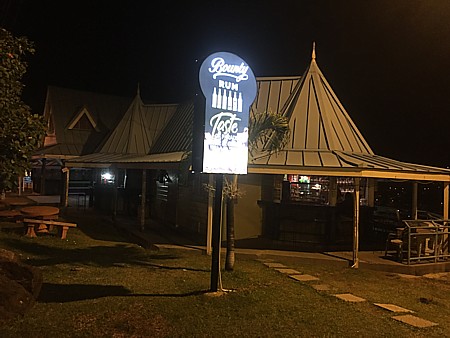
special, whether your journey along this road is by day or by night; Mandele
Point. This spot is approximately halfway along the journey and sits
overlooking the village of Dennery.
At this locale the government of St Lucia has created a rest stop with
several small establishments that serve fresh local food, usually grilled
fish and barbecue chicken with local ground provision as well as St Lucia
style bake and saltfish. It is a community based agro-tourism development
project. In addition to being able to obtain refreshments there are toilet
facilities at this location.
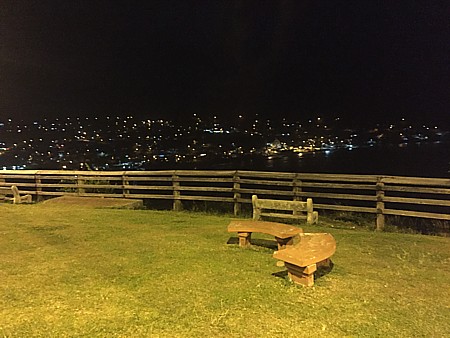
What makes Mandele Point truly special however is the view. Sitting up on
the hillside the location offers a view of the Atlantic Ocean and the
fishing village of Dennery with its majestic St
Peter's Roman Catholic Church. Just offshore of the village is an islet
that is home to numerous sea birds.
As beautiful as the view is in the day time, it is at night that when the
view truly sparkles. Now you can sit on the benches in the open air or
ascend to the upper level of the restaurant area and see the lights of the
village twinkling on the adjacent hillsides and reflecting off the ocean.
St Lucia
honeymoons: the phrase rightly suggests idyllic tropical sunsets over the
ocean as you start your married life together. Yet a visit to this gorgeous
island will also give you the chance to sample some of the unique Creole
cuisine for which it is famous.
A culinary
heritage
French, African
and British cuisines have all left their mark on the island. Whilst part of
the British Empire, people from all around the globe came and settled on the
island and also made their own contribution to local tastes and cooking
techniques. Today, St Lucia honeymoons will provide romantic couples with
the chance to sample some of these delights including:
Pepperpot
Stew. Truly delicious and comprises a very lean beef stew with a rich
mixture of potatoes, onions, green beans and of course pepper.
Callaloo
Soup. Callaloo is a local vegetable not dissimilar to spinach. It is
stewed, sometimes with coconut milk, together with beef (perhaps salted)
and dumplings.
Jerk Chicken.
There are various recipes for this and they do involve a pretty hot
chilli but having said that, the trick of the best local chefs is to
make this classic dish spicy and pungent without it burning off your
taste buds.
Pork Chop and
Pineapple Salsa. If this sounds absurdly simple, you'll be surprised!
Somehow the local chefs manage to combine a very tangy and flavoursome
pineapple salsa with a marinated chop and make it a truly unique and
delicious taste.
Green fig and
Saltfish Pie. This is a great dish to try on St Lucia honeymoons, as you
may not find it easy to obtain elsewhere. It's essentially fish,
peppers, cheese and breadcrumbs and of course, green figs. It's
absolutely superb when done well.
Baked Stuffed
Breadfruit. This is a mixture of minced meat, ham, tomatoes and garlic,
baked in a hollowed out breadfruit. Once again, it sounds simple but the
taste isn't.
Banana
Chicken. This is chicken and ham, rolled together with banana and then
fried in a sort of batter with coconut flavouring. A uniquely exotic
taste - and it works!
This is, of
course, just a totally inadequate sample of the fantastic tastes that await
you on St Lucia honeymoons.
Contrary to what
you might have heard, Caribbean and St Lucian cuisine is not just about heat
and spices. When authentically prepared, it offers a range of taste
experiences that compare favourably with any cuisine anywhere in the world.
So, St Lucia honeymoons don't just have to be about beach and sea - you can
think about your taste buds too!
Ross Stevenson is
the General Manager of Cap Maison. With a reputation as the foremost luxury
hotel on St Lucia, they provide a wide selection of services for St
Lucia honeymoons
and options for couples who want to enjoy a blissful Caribbean experience.
Famous for its breath-taking beauty of sparkling blue waters and golden
beaches lined with palms, St-Lucia is the ideal destination for
water-sports-lovers. The hotels and resorts are fully equipped with all the
latest sports-equipments which are easily rented out to the visitors.
One
cannot imagine the variety and diversity of water sports opportunities, here
in St-Lucia. Ranging from sailing to wind-surfing to skiing to diving-the
endless adventure in this timeless island leaves one craving for more
thrill, fun and adventure.
Sailing in St Lucia
Yachting; banana-boat; mini-sailing; parasailing; pedal and kayaking are the
main sailing activities in the surroundings of the large hotels and resorts
in the various tourist centres such as Rodney Bay, Choc Bay and Marigot Bay.
The
cruises in these crystal clear waters promise the most enchanting
sight-seeing of the indigenous Dolphins and whales. With the sparkling
Caribbean Sea on one side and the mysterious depths of Atlantic Ocean on the
other, yachting here is a sailor's most cherished dream. Yachts and sail
boats can be chartered from the Rodney Bay marina and Marigot Bay to
navigate in the West Indies through the pristine views of the Grenadine
Islands.
Parasailing is a more daring activity; being hooked on the back of a boat.
One can't get a better and a complete picture of St Lucia's beautiful
landscape.
Wind
surfing in St Lucia
Located ideally between Atlantic Ocean and the Caribbean Sea, St-Lucia
boosts of never-ending trade winds, wind surfing and kite surfing. Beginners
will enjoy the wind power and thrill and excitement of being driven by the
wind, more in the calmer waters of the Caribbean. For a more thrilling
experience, CAS en Bax or Vieux Fort are ideal spots for wind and kite
surfing. Trainers are available to help beginners, to start with and
experts, to sharpen their skills.
Skiing in St Lucia
Jet skiing and water skiing are available at most of the hotels and resorts.
Water skiing is a favourite with the beginners who wish to spend more time
in the Caribbean Sea. Jet skiing is an unforgettable adventure of flying
across the waves with the water splashing up in your face.
Diving in St Lucia
Enjoying the marine life in all its splendour and glory is not possible
without having to dive in St-Lucia's under water paradise. The island is
located at the tip of an underwater volcano which nurtures a huge variety of
Corals, Sponges and Reefs. Great care has been taken to preserve the marine
life which is an irreplaceable asset of our Eco-system.
Diving schools and centres provide tuitions, trips, guides and equipments
for Scuba-diving or Snorkelling. The prestigious Soufriere Marine Management
Area on the west coast is responsible for the conservation of St Lucia's
coastal environments.
St
Lucia is as mountainous below as it is above, hence, embracing Nature's
bounty in its lap. Scuba diving provides an opportunity to come face to face
with the marine life breathing in St-Lucia's womb. Angel fish, black
beauties, golden spotted eels, seahorses, stingrays, nurse sharks, turtles
and a variety of schooling fish are down there to welcome the divers to
their colourful and mysterious world.
As
part of the Lesser Antilles in the eastern part of the Caribbean, the island
nation of St Lucia is situated in an ideal position between the warm waters
of the Caribbean Sea and the colder, stronger currents of the Atlantic Ocean
- and offers a variety of exciting diving opportunities for those arriving
on their honeymoons.
While on St Lucia, honeymoons can be filled with a variety of lounging and
relaxing activities along the amazing coastline of the island, which is
juxtaposed against the rising rainforest mountains of the interior. But to
spend all of your time on the beach and not take advantage of the stunning
waters and natural coral reefs that surround the island is something you
should not even entertain during your stay! While on the island, why not get
under the surface of the water and scuba dive in some of the most amazing
places such as: Anse Chastanet, Anse La Raye, and the Lesleen M Shipwreck.
Anse
Chastanet -
In what is now a protected marine park off the coast, you can dive in the
waters that offer some of the most dramatic underwater scenes in the
southwest of the island. St Lucia honeymoons will be all the more enjoyable
for a trip to dive on these reefs that can be accessed by swimming in
directly from the beach. The unique coral wall here is located only about 25
feet down, and the further out you go, the deeper the coral seems to fall
away. The reef drops down to about 140 feet below and continues on until it
reaches the Grand Caille, near the harbour of Soufriere.
Anse
La Raye - For
some of the best wall and drift dives on St Lucia, honeymoons for the
underwater enthusiasts should allow time to visit Anse La Raye, where huge
boulders and an interesting marine life can introduce you to an entirely new
world. While here, swim down about fifty feet to see the Anse La Raye Coral
Gardens where the sponges and hard and soft corals are especially worth
noting.
Lesleen M Shipwreck -
If you are searching for a bit more adventure while spending time underwater
near St Lucia, honeymoons are the perfect opportunity to go and explore the
Lesleen M Shipwreck. Located north of the Pitons and just south of Marigot
Bay, this freighter was purposely sunk in 1985 in order to help create an
artificial coral reef. The result is an amazing dive that is exceptionally
picturesque, with the wheelhouse at a mere 13 metres below the surface.
There is an excellent swimthrough along the corridors of the ship that
remain open. You feel like you are the first person to unearth and explore
this long-dead ship, with extra touches like the abandoned suitcase in the
lower engine room. While in and around the ship you can look for marine life
that thrives in such areas, like the eels that supposedly live in the bottom
of the passageways.
Ross
Stevenson is the General Manager of Cap Maison. With a reputation as the
foremost luxury hotel on St Lucia, they provide a wide selection of services
for
St Lucia honeymoons and options for
couples who want to enjoy a blissful Caribbean experience.
For
those who are looking for the perfect opportunity to get a bit of beach side
lounging, fine dining, diving, and hiking in, there is no better place to go
than St Lucia. Honeymoons here on this island nation, located in the eastern
part of the Caribbean Sea where it borders the Atlantic Ocean, provide a
huge variety of activities for those who want a bit more action on their
romantic getaway. Luckily, the island offers a great variety of walks and
hikes that range from the easy to the difficult, each presenting a different
range of scenery that highlights the best bits of the area. While here, be
sure to test your land legs on the Union Nature Trail and Mini Zoo, the
Edmund Forest Reserve, and the Enbas Saut Waterfalls Trail.
The
Union Nature Trail and Mini Zoo -
In 1960, part of the Research Station - about a 15-minute drive from the
city of Castries - was turned into a nursery by the Forest Division. Later
they added a garden trail, hillside trail, and a medicinal garden that will
delight couples on their St Lucia honeymoons. The Union Nature Trail goes
through a bit of the dry forest, which is famous for bird watching.
Considered a meshing of endangered species, medicinal plants and local
fruits, the mini zoo at the heart of the reserve is the perfect culmination
of a pleasant and easy walk.
The
Edmund Forest Reserve -
St Lucia honeymoons should be about doing whatever it is you feel like doing
and enjoying yourself, and if you are fond of beautiful scenery, like to
hike, and have a little bit of experience, then you should head to the
Edmund Forest Reserve and walk the moderately difficult trails there.
Located in the heart of the island, the Forest Reserve trail is roughly a
seven-mile long path that is mostly flat, and goes though the rain forest.
The main part of the trail goes through the Quilesse Forest Reserve and will
eventually break out of the cover of the trees to give you a view of the
Caribbean Sea and the island's highest peak, Mt. Gimie.
The
Enbas Saut Waterfalls Trail - For
hardcore hikers on their St Lucia honeymoons, the best place to head on the
island is inland towards the Enbas Saut Waterfalls Trail. Located at the
foot of Mt. Gimie, about six kilometres east of Soufriere with many steps
involved, this four-kilometre hike is quite popular with energetic visitors.
The atmosphere of the hike is remote, wild, and amazingly fresh and boasts
two waterfalls and pools at the head of the Troumassee River, where you can
even hop in for a quick swim. The trail's combination of rainforest, cloud
forest, and elfin woodlands enable the perfect opportunity for you to get
the chance to see some of the famous local wildlife - such as the St Lucia
Parrot, the Blue Hooded Euphonia, and the Mountain Whistler.
Ross
Stevenson is the General Manager of Cap Maison. With a reputation as the
foremost luxury hotel on St Lucia, they provide a wide selection of services
for
St Lucia honeymoons and options for
couples who want to enjoy a blissful Caribbean experience.
A
holiday staying in one of the luxury hotels in Saint Lucia will be an
unforgettable, relaxing time. However, apart from lazing on the beach
drinking cocktails, it can be well worth the effort to spend a day or two
exploring the island to try some more adventurous activities. An
ever-popular and classic pastime on the island is horse riding, either along
the beautiful beach or in the wild, lush forests and national parks. No
matter one's riding ability, you can have a great time either learning the
basics and then venturing out a little on your own, or spending the whole
day on the back of a horse with a guide getting a feel for the island's
extensive beauty.
Choosing the perfect riding experience
Many
of the best stables are located near luxury hotels in Saint Lucia, so it can
be simple to find a reputable spot for riding. A good place to start is by
asking the concierge their professional recommendations, as they will most
likely know the perfect places to ride. Luxury hotels in Saint Lucia are
equipped to cater to the whims of all their guests - whether they want to
spend time sunning on the iconic beaches or exploring on a horse.
Gros
Islet's best horseback riding hotspots
Not
only is horseback riding around Gros Islet a delight, it offers travellers a
chance to get to know their environment in a unique way. Island Riders staff
are friendly, knowledgeable locals, ready to offer guests the experience of
a long, gentle ride along the sand or even in the water. Be assured
everything is very safe and secure, as guides are with you every step of the
way.
Another alternative in Gros Islet, near many of the breath-taking luxury
hotels in Saint Lucia, is North Point Riding. Perfect for couples, this
laid-back and fun ride takes guests along pretty country roads that lead out
to the ocean. Most journeys are an hour or two, so even beginners can get a
quick taste of the island upon arrival.
A
gem for riding in Vieux Fort
In
the Vieux Fort area, visitors often make a beeline for the Atlantic Shores
Riding Stables. Many say this is the best stable in the area for both those
who love to ride and those who want to learn the basics. With a different
aspect than the Caribbean Sea side of the island, it can give you a fresh
view of the landscape. The owner of Atlantic shores was born and raised on
the island, so he knows the perfect places to take visitors to see the best
of the best.
Ross
Stevenson is the General Manager of Cap Maison, the foremost luxury hotel on
St Lucia. If you're looking for luxury hotels in Saint Lucia
we can help. The island is an ideal destination for wedding and honeymoon
options for couples who want to enjoy a blissful Caribbean experience.